Up in The Rafters
How Does the NHL Draft Lottery Work?
How does the NHL draft lottery work? Learn the rules, odds, and mechanics behind hockey's most dramatic offseason event that determines draft order.
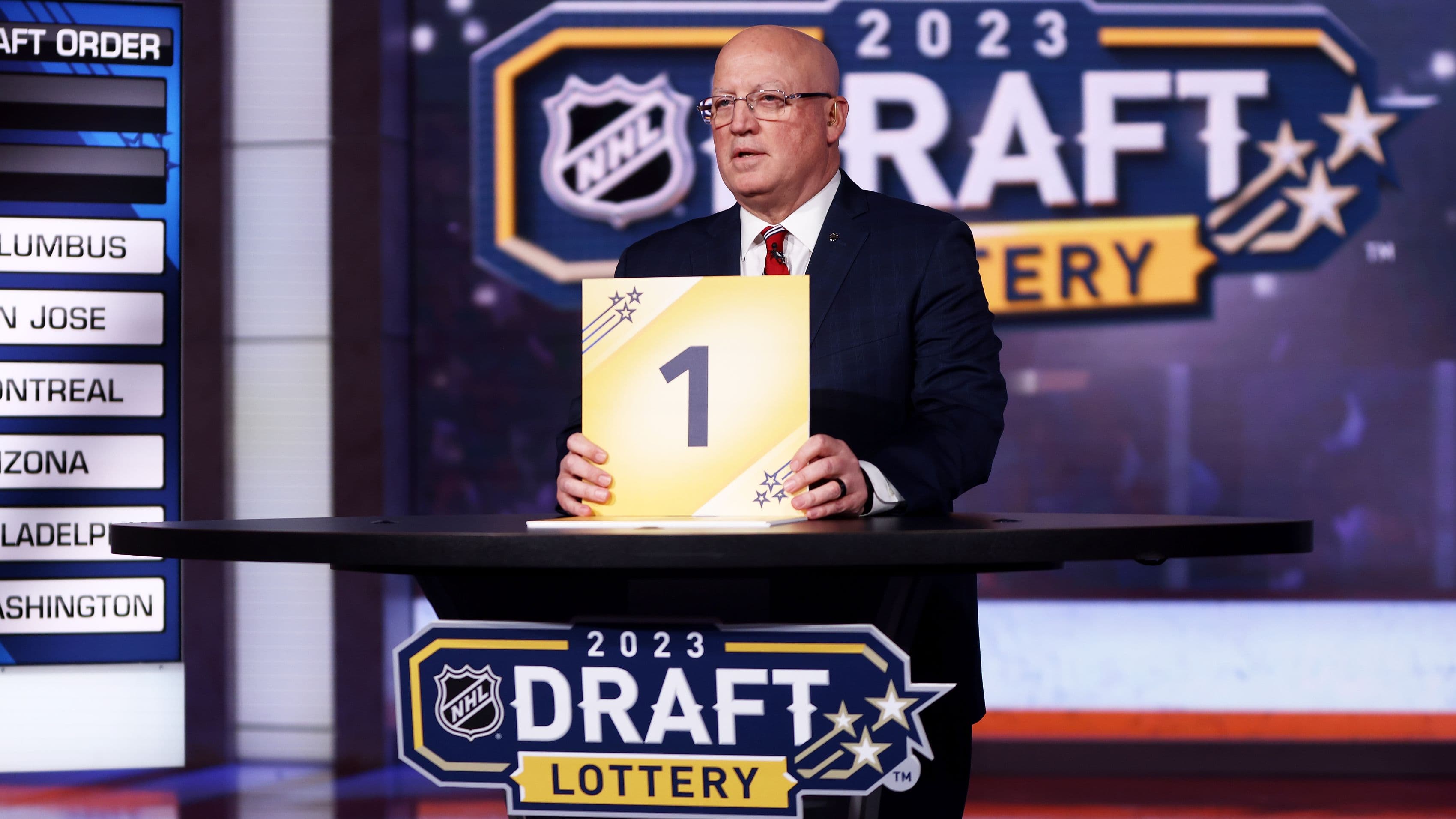
The NHL draft lottery represents one of hockey's most dramatic offseason moments, where ping pong balls and probability determine which struggling franchises get first crack at the sport's next generation of stars. But beneath the televised tension lies a sophisticated system designed to balance competitive fairness with genuine unpredictability.
Understanding how the NHL draft lottery works requires digging into the mechanics of weighted odds, four-number combinations, and the evolution of rules meant to prevent teams from deliberately losing games for better draft position.
What Is the NHL Draft Lottery?
The NHL draft lottery is a weighted system that determines the order of selection for the first 16 picks in the first round of the NHL Entry Draft. Rather than automatically awarding the first overall pick to the team with the worst regular season record, the league conducts a lottery to introduce an element of chance while still favoring teams that finished lower in the standings.
The lottery only affects the first round of the draft. After the first two picks are determined through the lottery process, the remaining non-playoff teams are ordered based on their regular season point totals. Subsequent rounds follow the same order as established after the lottery.
Sixteen teams participate in the draft lottery each year: the 14 teams that missed the playoffs, plus any teams that acquired first-round picks from non-playoff teams through trades. According to Elite Prospects, the system exists primarily to prevent "tanking," where teams might deliberately field weak lineups to secure the top draft position.
The Mechanics: How the Lottery Actually Works
The NHL draft lottery operates through a surprisingly straightforward yet mathematically complex process involving numbered balls and predetermined combinations.
The Lottery Machine Setup
The physical lottery uses 14 numbered ping pong balls (numbered 1 through 14) placed in a standard lottery machine. When four balls are drawn, they create a four-digit combination. Mathematically, drawing four numbers from 14 creates 1,001 possible combinations.
The NHL uses 1,000 of these combinations, with one specific combination designated as a redraw. If the combination 11-12-13-14 is drawn, the balls are returned and drawn again. This allows the league to divide the 1,000 usable combinations evenly among the participating teams based on their odds.
How Odds Are Assigned
Each non-playoff team receives a specific number of four-digit combinations based on their finish in the regular season standings. The worse a team's record, the more combinations they receive, and thus the higher their odds of winning.
For the 2025 draft lottery, the San Jose Sharks finished last in the NHL and received 185 combinations, representing an 18.5% chance of winning the first overall pick. The Chicago Blackhawks, who finished second-last, received 135 combinations for 13.5% odds. As reported by ESPN, the odds decrease on a sliding scale down to the 16th seed, which receives just 10 combinations for 1.0% odds.
2025 NHL Draft Lottery Odds
Here's how the odds were distributed for the 2025 draft lottery, showing each team's chance of winning the first overall pick:
Seed | Team | Combinations | Odds for 1st Pick |
1 | San Jose Sharks | 185 | 18.5% |
2 | Chicago Blackhawks | 135 | 13.5% |
3 | Nashville Predators | 115 | 11.5% |
4 | New York Rangers | 95 | 9.5% |
5 | Boston Bruins | 85 | 8.5% |
6 | Detroit Red Wings | 75 | 7.5% |
7 | Seattle Kraken | 65 | 6.5% |
8 | Columbus Blue Jackets | 60 | 6.0% |
9 | Buffalo Sabres | 50 | 5.0% |
10 | New York Islanders | 35 | 3.5% |
11 | Anaheim Ducks | 30 | 3.0% |
12 | Pittsburgh Penguins | 25 | 2.5% |
13 | Philadelphia Flyers | 20 | 2.0% |
14 | Utah Mammoth | 15 | 1.5% |
15 | Vancouver Canucks | 10 | 1.0% |
16 | Calgary Flames* | 10 | 1.0% |
*Note: Calgary's pick belonged to Montreal Canadiens via trade
As the table shows, the odds significantly favor teams at the bottom of the standings, but no team has better than a one-in-five chance of securing the first overall pick. The New York Islanders ultimately won the 2025 lottery despite having just 3.5% odds, demonstrating the system's unpredictability.
The Two-Draw System
The current lottery format includes two separate drawings:
First Draw: This determines the first overall pick. All 16 non-playoff teams can participate, but there's a critical restriction: teams can only move up a maximum of 10 spots. This means only the bottom 11 teams can actually win the first overall selection. If a team seeded 12th through 16th wins this draw, they move up the maximum 10 spots, and the team with the worst record is automatically awarded the first pick.
Second Draw: After the first draw concludes, a second drawing determines the second overall pick. The process is identical to the first draw, using the same combination assignments but with the first pick winner removed from contention. Again, teams can only move up 10 spots from their post-first-draw position.
When the New York Islanders won the 2025 lottery, they jumped nine spots from 10th to first overall, while Utah moved up the maximum 10 spots to secure the fourth pick, as documented by NHL.com.
What Happens After the Lottery
After both lottery draws are complete, the remaining 14 teams that didn't win either drawing are slotted into picks 3 through 16 based on reverse order of their regular season point totals. No team can drop more than two spots from where their regular season finish would have positioned them.
The teams that made the playoffs are then assigned picks 17 through 32, ordered by how far they advanced and their regular season point totals. This means a first-round playoff exit with fewer points picks before a first-round exit with more points, and so on.
Current NHL Draft Lottery Rules and Restrictions
The NHL has modified its lottery rules multiple times since the system's introduction in 1995. The current framework, implemented before the 2022 draft, includes several important restrictions:
Ten-Spot Movement Cap: No team can move up more than 10 positions in the draft order through a lottery win. This guarantees the team with the worst record will pick no lower than third overall.
Two-in-Five Rule: Teams can only win the lottery and move up in the draft order twice within any five-year span. This prevents the same franchises from repeatedly jumping to the top of the draft. However, this rule only applies to teams moving up. A team finishing dead last can "win" by retaining first overall an unlimited number of times, as this doesn't constitute moving up in the order.
Protected Picks: The worst-finishing team is guaranteed to pick no lower than third overall, even if they don't win either lottery drawing. The second-worst team can fall no lower than fourth overall.
These rules create fascinating scenarios. For instance, the Chicago Blackhawks won the lottery in 2023 (moving from third to first to draft Connor Bedard) and then retained second overall in 2024 after winning the second lottery draw. Since they didn't move up in 2024, they remained eligible to win again in 2025.
The Evolution of the Draft Lottery System
The NHL's approach to the draft lottery has changed dramatically over three decades, reflecting the league's ongoing attempt to balance competitive equity with preventing tanking.
1995-2012: The Original System
When first introduced in 1995, the lottery determined only the first overall pick, with one team winning and moving up a maximum of four spots. This meant only the five worst teams could theoretically land first overall. The system was relatively simple but still allowed some element of chance.
2013-2015: Unlimited Movement
The NHL eliminated the four-spot movement restriction, meaning the lottery winner automatically received first overall regardless of where they finished. This created more dramatic moments but also meant just one team moved in the draft order.
2016-2021: Three-Lottery Era
The league expanded to three lottery drawings, determining the top three picks entirely through lottery. This system created maximum chaos and unpredictability but also meant teams could drop up to three spots, which many felt was excessive.
2022-Present: The Current Format
According to NHL.com, the current two-lottery system with a 10-spot cap and the two-in-five restriction represents the league's latest attempt to find the sweet spot. It preserves unpredictability while ensuring the worst teams still get premium picks.
Beginning in 2025, the NHL began broadcasting the lottery drawings live on television for the first time in the event's 30-year history. Previously, the drawing occurred in a closed room with results revealed afterward, which led to some skepticism and conspiracy theories among fans.
Historical Lottery Winners and Their Impact
Several draft lottery outcomes have fundamentally altered NHL history:
2005: Pittsburgh Penguins Win Sidney Crosby - After the 2004-05 lockout, the Penguins won the lottery and selected Sidney Crosby, who would become one of the game's all-time greats and lead Pittsburgh to three Stanley Cups.
2015: Edmonton Oilers Win Connor McDavid - The Oilers, despite having won three of the previous four lotteries, won again and selected Connor McDavid, widely considered the best player in the world today.
2023: Chicago Blackhawks Jump to Connor Bedard - The Blackhawks entered with just 11.5% odds but moved from third to first, securing Connor Bedard, who was immediately compared to generational talents and has lived up to the hype in his rookie season.
These moments illustrate why the lottery matters so much. The difference between drafting first and third overall can mean the difference between acquiring a franchise cornerstone and selecting a solid contributor.
Why the NHL Draft Lottery Exists
The primary motivation behind the draft lottery is preventing "tanking," where teams deliberately field weak rosters to finish last and secure the best draft position. While this strategy might make sense from a rebuilding perspective, it creates terrible incentives that damage the sport's integrity and entertainment value.
The lottery introduces uncertainty into the equation. Even finishing last guarantees only an 18.5% chance at first overall and at minimum third overall. This theoretically discourages teams from giving up on seasons entirely, though economists and analysts debate whether the lottery truly prevents tanking or just makes it slightly less appealing.
The system also acknowledges that luck plays a role in team success beyond just roster quality. Injuries, unexpected player development, and schedule difficulty all impact final standings. The lottery ensures that a team finishing 10th-worst isn't completely shut out from transformative talent if fortune smiles on them.
How Draft Lottery Odds Compare to Other Leagues
The NHL's system differs significantly from other major professional leagues. The NBA uses a similar weighted lottery but for the top four picks instead of two, and their worst team has 14% odds rather than 18.5%. The NFL has no lottery whatsoever, with draft order determined entirely by regular season record.
The NHL's approach sits somewhere in the middle, offering meaningful probability advantages to the worst teams while still preserving real uncertainty and preventing any team from having better than one-in-five odds of picking first.
Common Misconceptions About the Draft Lottery
"The lottery is rigged" - This conspiracy theory persists despite the process being overseen by accounting firm Ernst & Young and, since 2025, broadcast live on television. While improbable outcomes occur (by definition, someone with low odds must win sometimes), there's no evidence of manipulation.
"Finishing last guarantees a top pick" - While the worst team is guaranteed third overall at minimum, they can absolutely fall to third. In 2020, the Detroit Red Wings finished last but fell to fourth overall after three teams jumped them in the lottery.
"Teams can win the lottery every year" - The two-in-five rule prevents this, though teams can win by default (finishing last) as often as their poor performance allows.
For more insight into NHL draft history and strategy, check out our coverage of how playoff overtime works, which explores another unique aspect of hockey's rules that separate it from other sports.
The Future of the NHL Draft Lottery
The NHL Board of Governors continues to evaluate whether the current system achieves its goals. Some owners argue the lottery doesn't go far enough in flattening odds, while others believe it already provides too much randomness. Future changes might include further restricting how often teams can win, adjusting the odds distribution, or expanding the number of lottery-determined picks.
What seems certain is that the lottery will remain a fixture of the NHL offseason, providing drama, hope, and sometimes heartbreak for franchises and their fans as they watch numbered balls tumble and dream of the next generational talent joining their roster.
Understanding how the NHL draft lottery works illuminates the careful balance the league tries to strike between rewarding failure, preventing exploitation, and maintaining competitive intrigue. While the system continues to evolve, its core purpose remains: giving every non-playoff team at least some hope that their fortune might change with four ping pong balls and a little luck.