Up in The Rafters
Defying the Odds: The Biggest Upsets in Super Bowl History
Explore the greatest Super Bowl upsets in NFL history, from Joe Namath's guarantee to the Giants' Helmet Catch that spoiled the Patriots' perfect season.
The history of the Super Bowl is filled with stories of expected dominance, but it is the moments when underdogs defy the odds that create the most enduring legends. From the early days of the AFL challenging the NFL's supremacy to the modern era of dynasty-builders being humbled, these upsets are a testament to the unpredictable nature of football's biggest stage.
Super Bowl III: The Guarantee Heard 'Round the World
No discussion of Super Bowl upsets is complete without the 1969 clash between the AFL champion New York Jets and the NFL champion Baltimore Colts. The Colts, boasting a 13-1 regular season record and a dominant defense, were overwhelming favorites, with a point spread of around 18 points. The prevailing consensus was that the established NFL was vastly superior to the upstart AFL, and this game would be a decisive exhibition of that gap.
Jets quarterback Joe Namath, however, thought otherwise. Days before the game in Miami, he famously guaranteed a victory to a gathering of reporters. He backed up his words with a masterful performance. The Jets' defense forced five turnovers and held the Colts scoreless until the final minutes of the fourth quarter. Fullback Matt Snell provided the game's only touchdown with a four-yard run. The Jets won 16-7, a victory that fundamentally changed the perception of the AFL and paved the way for the eventual merger of the two leagues. It remains one of the most culturally significant upsets in American sports history.
Super Bowl XLII: Spoiling Perfection
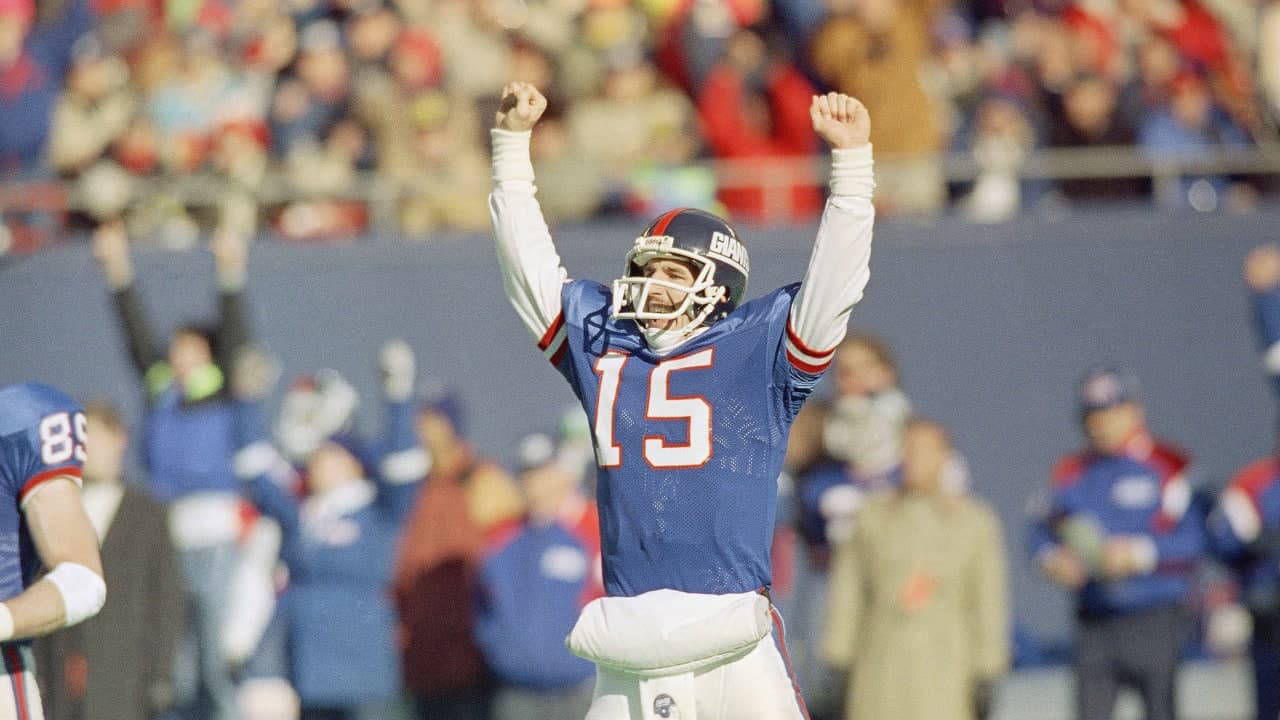
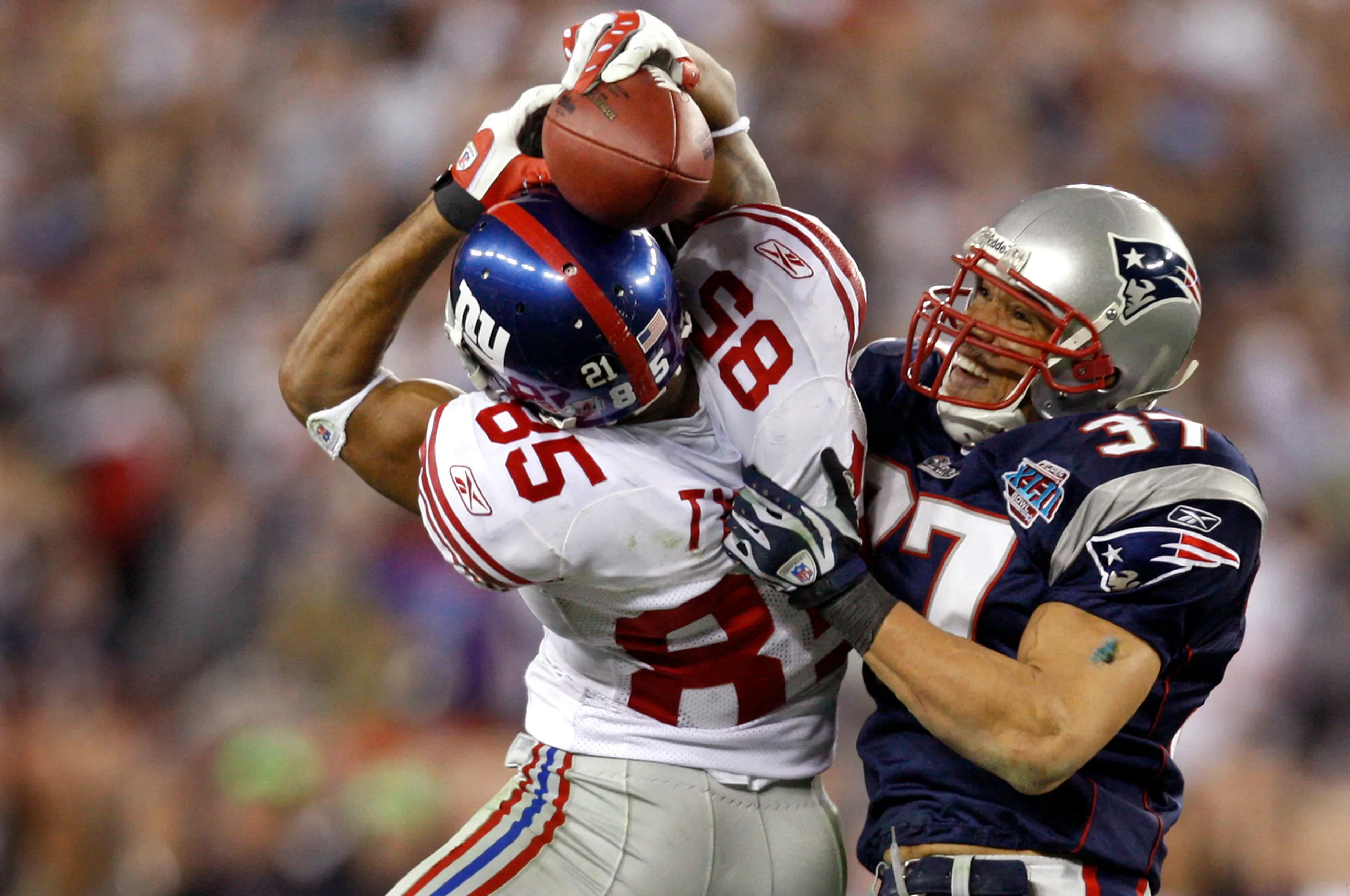
In 2008, the New England Patriots were on the verge of cementing their place as arguably the greatest team of all time, aiming for a perfect 19-0 season. Standing in their way were the NFC Wild Card New York Giants, who had barely made the playoffs with a 10-6 record and had to win three road playoff games just to reach Glendale, Arizona. The Patriots, featuring an MVP performance from quarterback Tom Brady and star receiver Randy Moss during the season, were favored by 12.5 points.
The game was a defensive struggle. The Giants' ferocious pass rush constantly pressured Brady, and the Patriots' explosive offense was largely neutralized. The game's defining moment came late in the fourth quarter on a play simply known as the Helmet Catch. Trailing by four with just over a minute left, Eli Manning escaped a sack and launched a desperate pass downfield. Giants receiver David Tyree made a spectacular, gravity-defying one-handed catch, pinning the ball against his helmet for a 32-yard gain. The drive culminated in a game-winning touchdown pass from Manning to Plaxico Burress with just 35 seconds left, sealing a dramatic 17-14 upset and handing the Patriots their only loss of the season.
Super Bowl XXXVI: The Birth of a Dynasty
The 2002 Super Bowl saw another massive upset, this time featuring the St. Louis Rams' high-flying "Greatest Show on Turf" offense, led by Kurt Warner, Marshall Faulk, and Isaac Bruce, against a young and unproven New England Patriots team led by second-year quarterback Tom Brady. The Rams were 14-point favorites, expected to easily secure a second title in three years with their prolific scoring ability.
Instead, the Patriots' defense, masterminded by coordinator Bill Belichick, stifled the Rams' potent offense with a brilliant game plan that relied on hitting the receivers hard and disrupting their timing. The Patriots built a 17-3 lead. Though St. Louis rallied to tie the game late, the momentum shifted back to New England in the final minute. With no timeouts, Brady orchestrated a calm, composed game-winning drive, leading to Adam Vinatieri's iconic 48-yard field goal as time expired. The 20-17 victory launched the Patriots' two-decade dynasty and established Brady as a clutch performer for years to come.
These games, along with the Denver Broncos over the Green Bay Packers in Super Bowl XXXII (breaking the NFC's 13-year winning streak) and the Kansas City Chiefs over the Minnesota Vikings in Super Bowl IV, remind us that in the Super Bowl, historical dominance and pre-game predictions often mean very little when the whistle blows. The beauty of these upsets lies in their demonstration of heart, strategy, and the simple fact that any team can win on any given Sunday, or in this case, the biggest Sunday in sports.