Up in The Rafters
What It Takes to Host a Super Bowl: Requirements and Approved Venues
Discover the strict NFL requirements for hosting a Super Bowl—from stadium specs to financial commitments—plus confirmed venues through 2028.
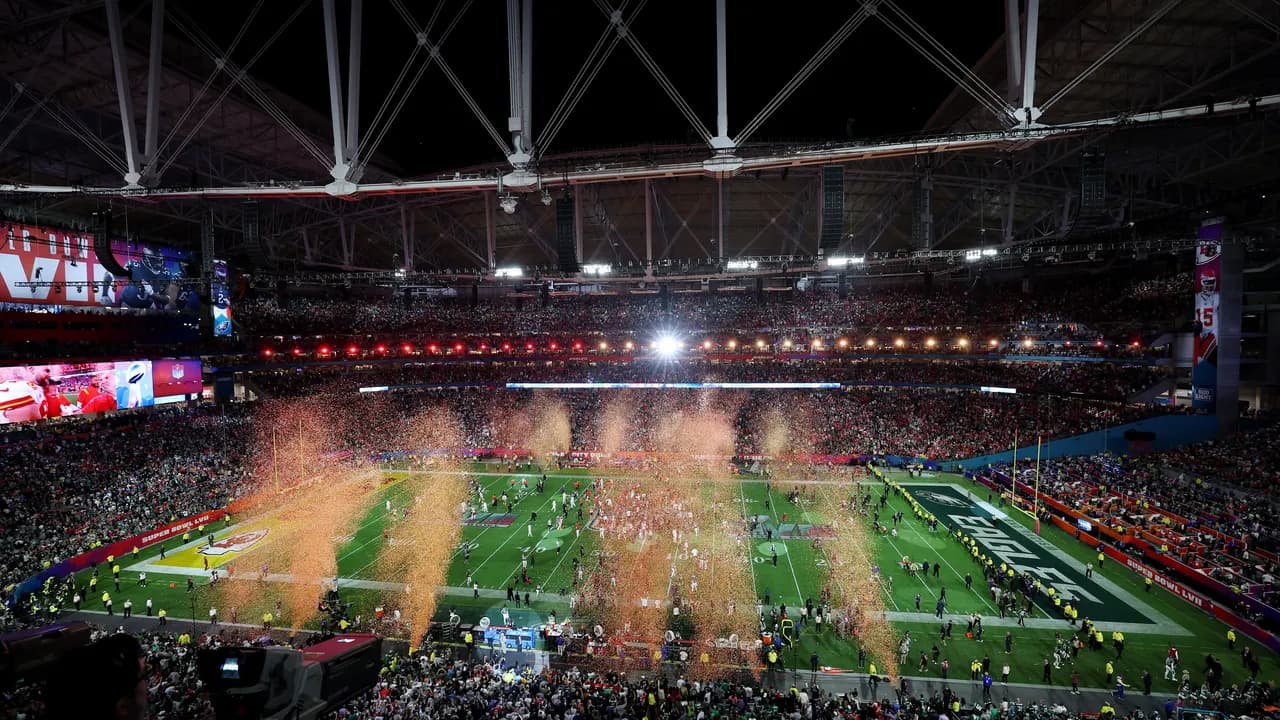
Hosting the Super Bowl represents one of the most prestigious opportunities in professional sports, bringing worldwide attention and substantial economic benefits to the chosen city. However, the path to securing America's biggest sporting event involves meeting stringent qualifications that extend far beyond simply having a football stadium. Understanding these requirements reveals why only select cities earn the privilege of hosting this spectacle.
The Selection Process
The NFL fundamentally changed its Super Bowl selection process in 2018. Previously, cities would submit competitive bids to host the game, but the league now takes a more direct approach. The NFL identifies cities that meet their hosting requirements and invites them to submit proposals. If a city accepts, they work with the league to develop a comprehensive hosting plan, which team owners then vote to approve or reject. This selection typically occurs three to four years in advance, allowing ample time for preparation.
Stadium Requirements
At the heart of hosting qualifications lies the stadium itself. The venue must be in a market with an active NFL franchise, making it impossible for cities without professional football teams to host. The stadium needs a minimum seating capacity of 70,000, though temporary seating can help venues reach this threshold. Beyond seats, the facility requires substantial electrical infrastructure, including at least 6,000 kVA electrical loads within the stadium and 5,200 kVA on the premises for broadcasting networks, media operations, pregame ceremonies, and the halftime show.
The stadium must also accommodate the entire NFL Gameday Experience, providing space for pregame entertainment areas and various events throughout Super Bowl week. Additionally, the league maintains strict field requirements, including the mandate that natural grass fields be re-sodded before the game at the host city's expense.
Climate and Weather Considerations
Weather plays a crucial role in venue selection. The NFL traditionally requires that outdoor stadiums be located in regions where the average temperature during the Super Bowl period is at least 50 degrees Fahrenheit. This explains why warm-weather cities like Miami and New Orleans dominate the hosting landscape, each having hosted eleven Super Bowls—a record that seems nearly unbreakable given the rotating nature of host city selection. However, cities with domed or retractable-roof stadiums can bypass this requirement, which is why cold-weather markets like Minneapolis, Detroit, and Indianapolis have successfully hosted despite harsh winter climates.
Infrastructure and Accommodations
Beyond the stadium, host cities must demonstrate robust infrastructure capabilities. Hotel availability stands as a critical requirement, with the NFL expecting accommodations equal to at least 35 percent of the stadium's capacity within a 60-minute drive. The host city must also provide free apartments for NFL staff, including forty three-bedroom units, fifty two-bedroom units, and twenty one-bedroom units for 30-40 day stays.
Transportation infrastructure must handle the massive influx of visitors, requiring effective mass transit systems and comprehensive traffic management plans. Security represents another non-negotiable element, with cities needing to demonstrate their ability to protect attendees throughout Super Bowl week.
Additional Facility Requirements
The NFL's demands extend to recreational facilities as well. Host cities must provide exclusive access to three high-quality 18-hole golf courses and two bowling alleys at no cost to the league. These facilities support various NFL-sponsored events during Super Bowl week. The host city must also provide billboard space, arrange for alcohol sales extensions, ensure adequate cell phone coverage, and even establish task forces dedicated to preventing ticket counterfeiting.
Financial Commitments
Perhaps most significantly, host cities bear substantial financial responsibilities. They must cover expenses for a "familiarization trip" where approximately 180 NFL personnel inspect the region sixteen months before the game. Tax exemptions on ticket sales are expected, and cities must fund various operational costs without direct reimbursement. Despite these expenses, cities typically view hosting as worthwhile given the economic impact, which can exceed $50 million from visitor spending alone. This financial dynamic mirrors what we see across professional sports—understanding the economics behind major sporting events reveals why cities compete so fiercely for hosting rights.
Approved Future Host Cities and Stadiums
Looking ahead, the NFL has confirmed three future Super Bowl locations. Super Bowl LX in February 2026 will take place at Levi's Stadium in Santa Clara, California, home of the San Francisco 49ers. This marks the venue's second time hosting after Super Bowl 50 in 2016.
Super Bowl LXI in February 2027 heads to SoFi Stadium in Inglewood, California, the home of both the Los Angeles Rams and Los Angeles Chargers. This state-of-the-art facility, which opened in 2020, previously hosted Super Bowl LVI in 2022.
For 2028, Super Bowl LXII will return to Mercedes-Benz Stadium in Atlanta, Georgia, home of the Atlanta Falcons. The stadium last hosted in 2019 and will mark Atlanta's fourth Super Bowl overall.
While no official announcement has been made beyond 2028, Las Vegas's Allegiant Stadium is reportedly the frontrunner for 2029, having successfully hosted Super Bowl LVIII in 2024. Other likely future candidates include Miami's Hard Rock Stadium, AT&T Stadium in Dallas, and potentially Nashville's new domed stadium opening in 2027.
The rigorous requirements ensure that only cities with exceptional infrastructure, financial resources, and commitment can deliver the world-class experience the Super Bowl demands. It's worth noting that the compensation structures across the NFL—from players to referees—reflect this same commitment to excellence that the league demands from its host cities.